
 No Comments
Comprehensive Guide to Preventing and Treating Dry Eyes from Contact Lenses: Expert Advice for Comfort and Health
Introduction
Contact lenses provide a convenient solution for those seeking clear, unobstructed vision without the inconvenience of glasses. However, despite their benefits, contact lenses can sometimes cause discomfort, with dry eyes being one of the most common complaints. Dry eyes can lead to irritation, blurred vision, and even chronic eye problems if left untreated. This blog offers expert guidance on preventing and treating dry eyes caused by contact lens wear, with tips and insights on maintaining optimal eye health.
Understanding Dry Eyes and Contact Lenses
Dry eyes occur when your eyes cannot produce enough tears or when tears evaporate too quickly. This results in discomfort, irritation, and blurred vision. Contact lenses can exacerbate dry eyes because they interfere with the natural tear film that coats the eye, either by absorbing moisture or blocking its distribution across the surface. Knowing how contact lenses impact your tear production and evaporation is crucial for managing and preventing dry eyes effectively.
Common Causes of Dry Eyes from Contacts
- Extended Wear of Lenses
Wearing contact lenses for extended periods restricts oxygen flow to the cornea, leading to dryness and irritation. This lack of oxygen can cause hypoxia, a condition that makes the eyes more susceptible to dryness and discomfort. Prolonged lens wear also increases the risk of developing infections or more serious eye health issues.
- Environmental Factors
External conditions, such as dry air, wind, or air conditioning, can contribute to faster evaporation of the tear film, leading to dry eyes. Low humidity and prolonged exposure to these elements can significantly aggravate the issue.
- Type of Contact Lenses
Not all contact lenses are made equally. Some lenses are designed to retain moisture, while others can absorb moisture from your eyes, increasing dryness. If you wear lenses that are not optimized for moisture retention, you may experience greater discomfort.
- Underlying Health Issues
Certain medical conditions, such as allergies, autoimmune disorders, or hormonal imbalances, can reduce tear production. These health issues may exacerbate dry eye symptoms, especially for contact lens wearers.
Recognizing the Symptoms of Dry Eyes
The early signs of dry eyes are essential to recognize to avoid more serious eye conditions:
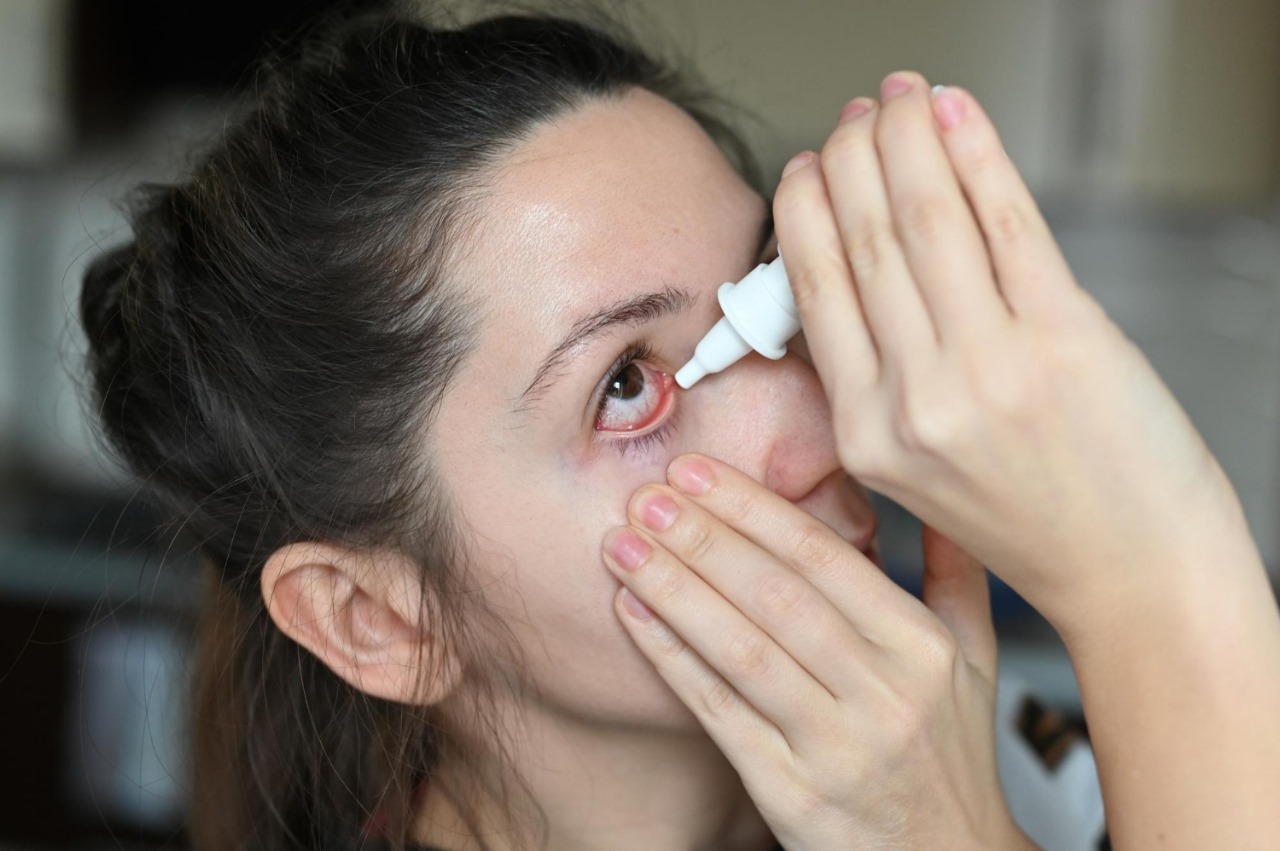
✓ Persistent Redness: Your eyes may appear bloodshot and irritated.
✓ Burning Sensation: A feeling of irritation or discomfort in the eyes.
✓ Gritty Sensation: You may feel like there is something stuck in your eye.
✓ Blurred Vision: Difficulty focusing clearly on objects, especially after wearing lenses for long periods.
Recognizing these symptoms early can help prevent complications, such as eye infections, chronic dryness, or vision impairment. Addressing the problem as soon as it occurs will help you manage the condition more effectively.
Effective Treatments for Dry Eyes from Contacts
Several treatment options can help alleviate the symptoms of dry eyes:
- Lubricating Eye Drops:
Preservative-free lubricating eye drops are often the first line of defense for dry eyes. These drops provide moisture to the eye’s surface, reducing irritation and discomfort. They can be used multiple times a day, depending on your needs.
- Switch to Moisture-Retaining Lenses:
Consider switching to contact lenses specifically designed for dry eyes. These lenses retain moisture better and are made from materials that allow more oxygen to reach the cornea, improving comfort.
- Regular Breaks from Contact Lens Wear:
Taking regular breaks from wearing your contacts is vital. This gives your eyes time to recover from the strain of lens wear. It’s also a good idea to give your eyes a break from screen time, as this can exacerbate dry eye symptoms.
- Prescription Treatments:
If over-the-counter solutions do not provide relief, consult with your eye care provider for prescription treatments. Medicated eye drops or ointments can help treat more severe cases of dry eyes, especially those caused by underlying inflammation.
- Hydration:
Maintaining hydration is essential for overall eye health. Drinking plenty of water throughout the day helps maintain a healthy tear film, reducing dryness and irritation.
Preventative Measures for Dry Eyes in Contact Lens Wearers
- Proper Lens Care:
Always clean and disinfect your contact lenses as recommended by your eye care professional. Proper lens care reduces the buildup of deposits and irritants that can contribute to dryness.
- Use a Humidifier:
If you live in a dry climate or spend time in air-conditioned or heated environments, consider using a humidifier. This helps maintain moisture levels in the air and reduces the evaporation of tears from the eye’s surface.
- Take Regular Screen Breaks:
The 20-20-20 rule is a simple yet effective way to reduce dry eyes caused by screen time. Every 20 minutes, look at something 20 feet away for at least 20 seconds. This helps reduce eye strain and promotes natural blinking.
- Eat Omega-3 Rich Foods:
Omega-3 fatty acids found in foods like fish, flaxseeds, and walnuts can help improve tear quality, reducing dryness and irritation. Including these foods in your diet can support your overall eye health.
- Wear Sunglasses Outdoors:
Exposure to wind and sunlight can cause tears to evaporate more quickly, especially when wearing contact lenses. Sunglasses protect your eyes from these elements and help maintain tear film integrity.
Contact Akshar Eye Hospital for Expert Care in Surat
If you’re experiencing dry eyes from contact lenses, it’s crucial to seek professional advice. Akshar Eye Hospital in Surat offers a range of services to address dry eye issues and other vision concerns. With experienced eye care specialists, the hospital provides personalized care to ensure your eye health is maintained at its best. Whether you’re new to contact lenses or have been wearing them for years, Akshar Eye Hospital can guide you through the best treatment options.
Conclusion
While contact lenses offer clear and convenient vision, they can lead to dry eyes if not properly managed. By recognizing the causes, symptoms, and effective treatments for dry eyes, you can enjoy the benefits of contact lenses while minimizing discomfort. Preventative measures, such as proper lens care, hydration, and regular eye breaks, can go a long way in keeping your eyes healthy and comfortable. Consult with an eye care professional at Akshar Eye Hospital in Surat to ensure your eye health is always a priority.
-
1. Can wearing contact lenses make dry eye disease worse?
Yes, extended use of contact lenses can exacerbate dry eye disease if not managed properly.
-
2. What are the best eye drops for dry eyes from contacts?
Preservative-free lubricating eye drops are often the best option for dry eyes caused by contact lenses.
-
3. Should I stop wearing contacts if I have dry eyes?
If dry eye symptoms persist, it’s advisable to consult an eye care professional to determine if you should temporarily stop wearing contacts.
-
4. What type of contact lenses are best for dry eyes?
Soft contact lenses designed specifically for dry eyes are often the best option, as they retain moisture and allow more oxygen to the cornea.
-
5. How can I prevent dry eyes while using contact lenses?
Proper lens care, hydration, and regular breaks from contact lens wear and screen time can help prevent dry eyes.
-
6. Are daily disposable lenses better for dry eyes?
Yes, daily disposable lenses are better for dry eyes because they reduce the buildup of moisture-absorbing deposits.
-
7. Does screen time worsen dry eye symptoms in contact lens wearers?
Yes, prolonged screen time can worsen dry eye symptoms. Following the 20-20-20 rule can help alleviate this.


Leave A Comment